EQUINE DENTISTRY: MORE THAN JUST FLOATING
By Marilyn Morris Mayer
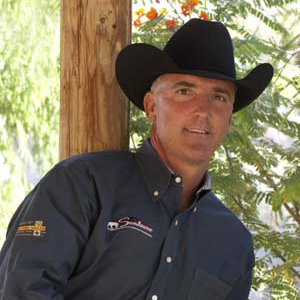
Cody and Chase ParrishIf you're used to having your veterinarian glance in your horse's mouth every six months or a year to see if the teeth need "floating" and you think you've got all the bases covered--you could be in for a shock. Many equine dental specialists say floating (rasping off the sharp points on the premolars and molars) doesn't even scratch the surface of minimum dental care.

Equine dentists routinely use sedation and a speculum (a medieval-looking, but painless devise that keeps the horse's mouth open) to look at every tooth and search for other problems in the mouth. The areas of concern are too numerous to list, but include sores and punctures of the mouth, uneven bite and grinding surfaces, wolf teeth--visible and hidden, and retention of caps ("baby teeth"). In some performance horses, the expert may even suggest creating "bit seats"--slightly altering the front surface of the first large cheek teeth.

Just because your horse isn't losing weight; isn't dropping grain; or isn't shaking his head and fussing with the bit, he could be in continuous pain or discomfort, say equine dental specialists--and that could translate to a less than perfect performance, as our two means of communication with the horse are our hands (to the horse's mouth), and our legs.

Horse DentistryCleve Wells admits he really wasn't big on equine dental care until he started training reining horses. "The reiners turned me on to it because their ride depends on the softness of a horse's mouth, where as with a pleasure horse or a cutter we don't necessarily use a horse's mouth."

"When you start to take the slack out of the reins, if a horse is tightening his bottom jaw and dreading that metal bit then something may be touching an irritated gum or an irritated tooth. You don't know it necessarily, unless he starts losing a lot of weight or starts feeling bad. But you can feel it way before that...if you learn what to feel for."

"Sometimes you think a horse is resisting your hands, when he's really just trying to control the contact--that he's trying to contact your hand before your hand contacts his mouth, because he can control that pressure. If he beats you to it, then he's controlling the entrance."

"I think that's probably the one thing that you might realize: If your horse is trying to control the entrance--from taking slack out of the rein (we call it 'pushing on our hands') there's an outside chance that he could have some problems--his mouth is irritated or his teeth are irritated--and heâ?Ts protecting it."

Cleve feels the horse's mouth should be checked once or twice a year, starting when they are colts. "We usually have a guy come through here in the Springtime once we thin through our colts," says Cleve. "And you'd be surprised the people who don't even check wolf teeth any more," he notes. "There are just so many people raising horses now that don't know to have wolf teeth pulled and checked."

FloatingAs to who should be doing dental work on your horse, that is something you will have to investigate for yourself. It's actually a hot topic--a big controversy--at the moment, putting various dental specialists and veterinarians at odds. There is a growing field of equine dental professionals who are highly trained, dedicated individuals with the latest techniques and state-of-the-art power tools. However, in most states, it is illegal for these equine dentists to treat your horse unless there is a veterinarian present at the time, (as lay-people cannot administer intravenous sedation to your horse). Naturally this increases the cost to have two professionals on site.

Why not just have your veterinarian do the work--and skip the "expert"? That seems to be the heart of the controversy. While veterinarians are given a basic course in animal dentistry in school, they may or may not have the time or inclination to seek out additional training in this area.

Things are changing, however. Due perhaps in part to the influx and popularity of equine dentists, a few veterinarian schools are now offering more training in this field. Some veterinarians with advanced training now specialize exclusively in equine dentistry; while others vets are teaming up with dental technicians. Perhaps your own veterinarian can refer you to someone he or she feels will do the best job for you.

A Kansas veterinarian who includes chiropractic and equine dentistry in his practice, sums up equine oral care this way, "The days of going in with a rasp and just rasping off the high spots of the premolars and molars--and ignoring the incisors or the teeth that aren't coming in properly, or whatever--that should be over." In his view, nobody should be doing that kind of dentistry any more.

So, whether you're starting a youngster or showing a finished horse, be sure to make his dental health a top priority.

For more information:
The International Association of Equine Dentistry: www.iaeqd.org.
The American Assoc. of Equine Practitioners: www.aaep.org

Photos courtesy HorseDentist.com ~ Web page by PleasureHorse.com


Non-Member Store · Videos · Cleve's Profile · Cleve's Plan · Seminars · Memberships
Training · News · Sponsors · Testimonials · Articles · Member Login · Photos · Main


HomePage Productions by M. Chris Leese
Copyright © 1998-2008
All Rights Reserved